Role
UX Designer / Accessibility Product StrategistProduct Design / Deaf-Centered UX
SignMates Deaf community networking app
A matchmaking and networking concept for the Deaf community, built around communication access, geofenced event discovery, professional connection, and learning from Deaf expertise.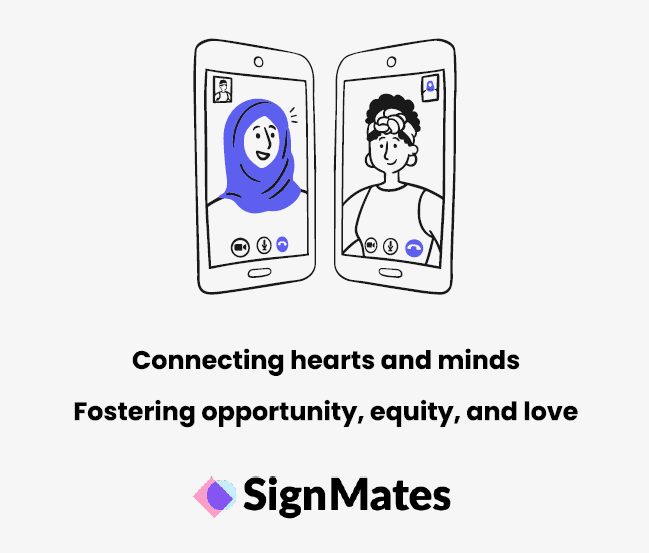
Context
Gallaudet University / SignMatesMethods
Discovery, personas, storyboards, prototype testing, pitch designProblem Framing
Mainstream matching apps treat access as an afterthought.
Existing geo-social networking apps support proximity, attraction, and popularity, but they rarely support communication fit. For Deaf and hard-of-hearing users, that missing layer changes the emotional cost of every interaction.
SignMates reframed the product question: what if matching started with language access, local Deaf community presence, and visible willingness to communicate across signing skill levels?
UX Thinking Framework
From idea to tested product direction
01 / Ideation
Frame social access as a communication problem
The concept started from a practical gap in geo-social networking: Deaf and hard-of-hearing users often need to understand sign-language fluency, communication preferences, and event accessibility before a match or meetup feels safe enough to pursue.02 / Research
Listen for the filters mainstream apps miss
Research artifacts included customer discovery, consent materials, participant videos, user personas, storyboard scenarios, and evaluation charts. The strongest signal was that members wanted ASL fluency, sign-language preferences, and skill context to be visible before interaction.03 / Synthesis
Separate user intent into three clear modes
Instead of forcing dating, networking, events, and learning into one feed, the product model split the experience into Date, Hustle, and Learn. Each mode maps to a different motivation while preserving a shared profile and navigation system.04 / Design Iterations
Prototype for matching, discovery, and trust
The interface explored profile cards with sign-language indicators, autoplay video for signed introductions, map-based heat zones for local events, and course discovery from native signers. The system evolved around clarity before novelty.05 / Final Mockups
Make the product legible at a glance
The final mockups use bright mode colors, large mobile targets, bottom navigation, profile summaries, and visual category cues so users can move between social connection, professional opportunity, and learning without relearning the product.Design Iterations
Three modes gave the product room to serve different needs.
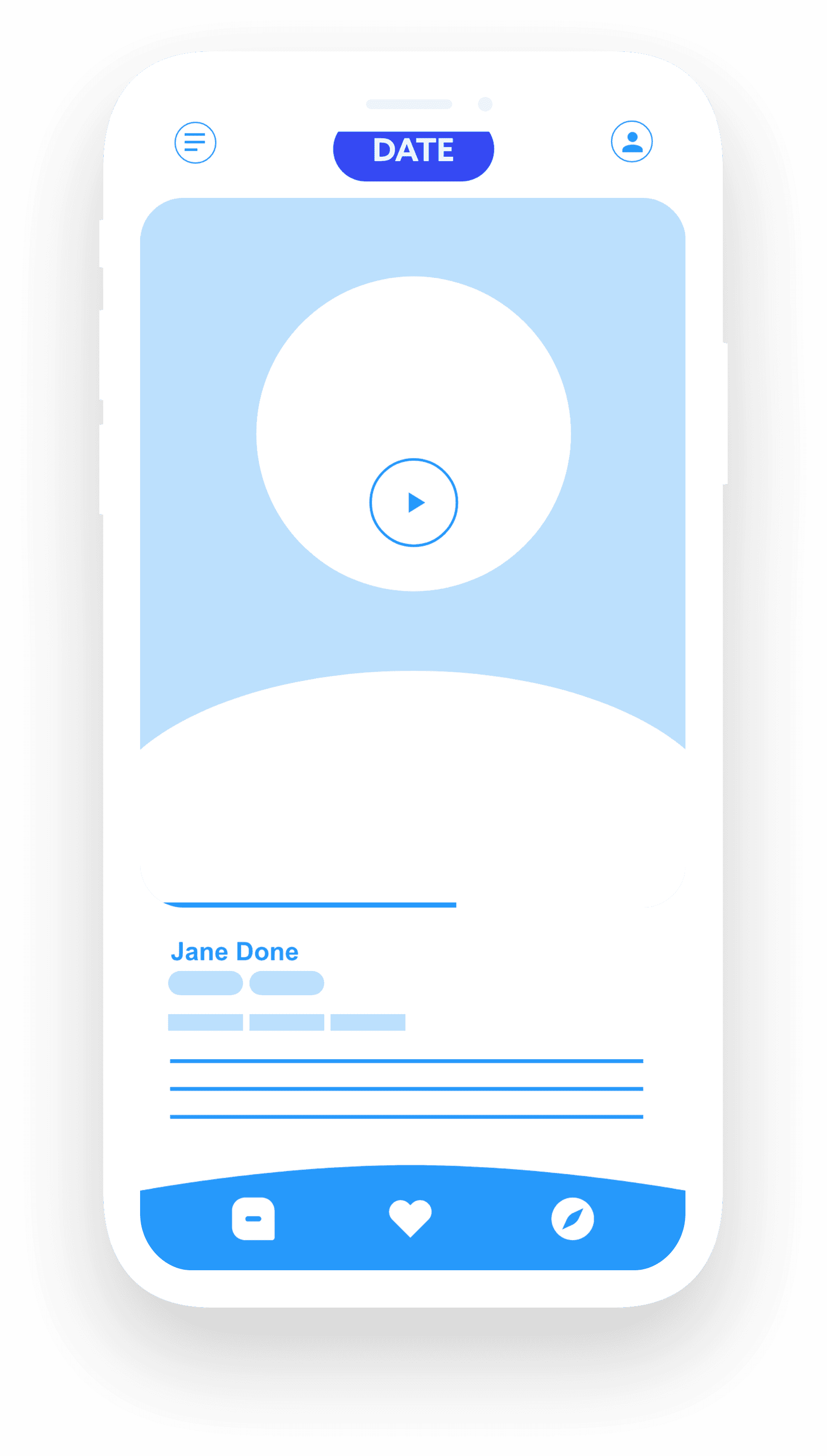
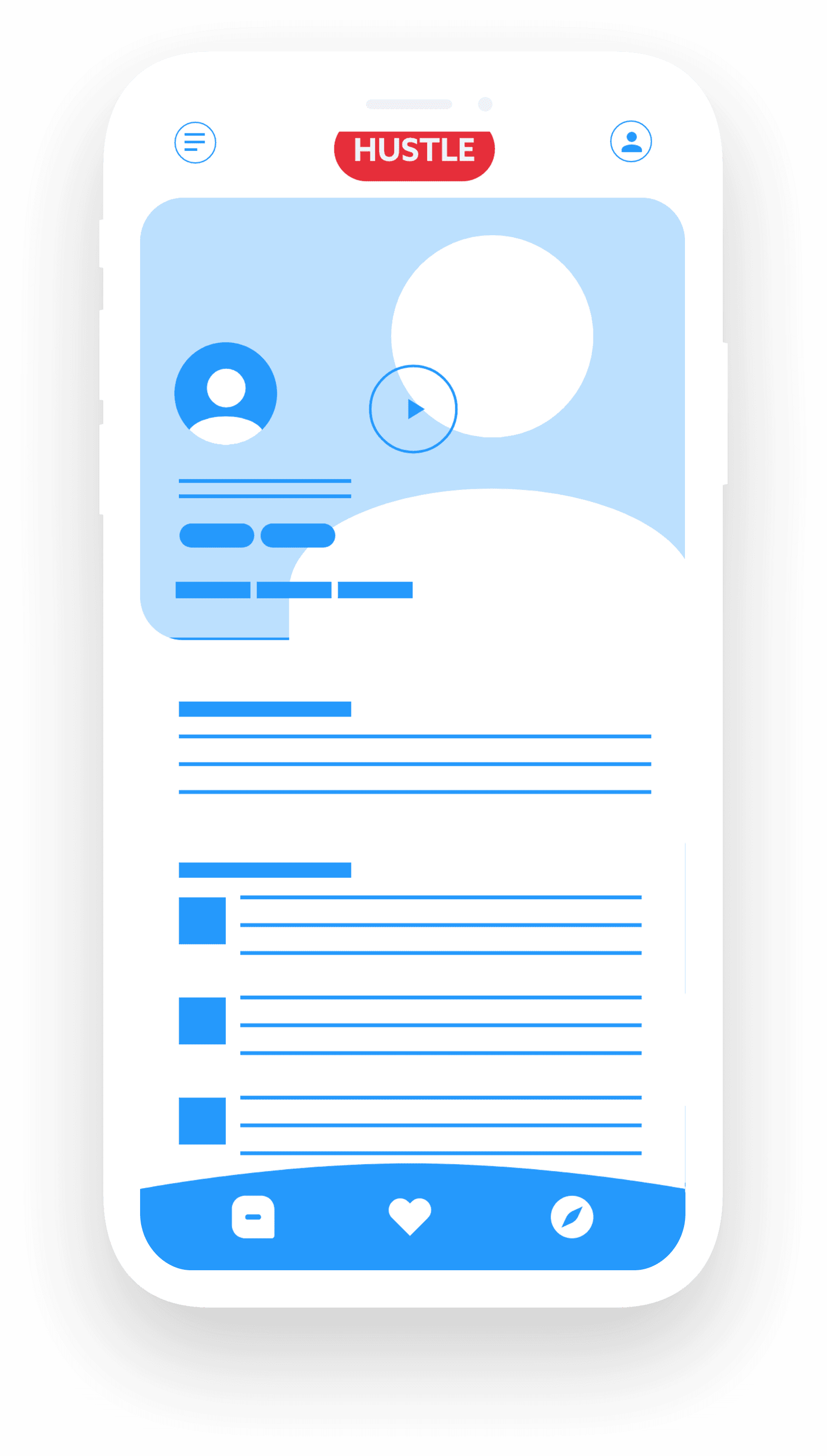
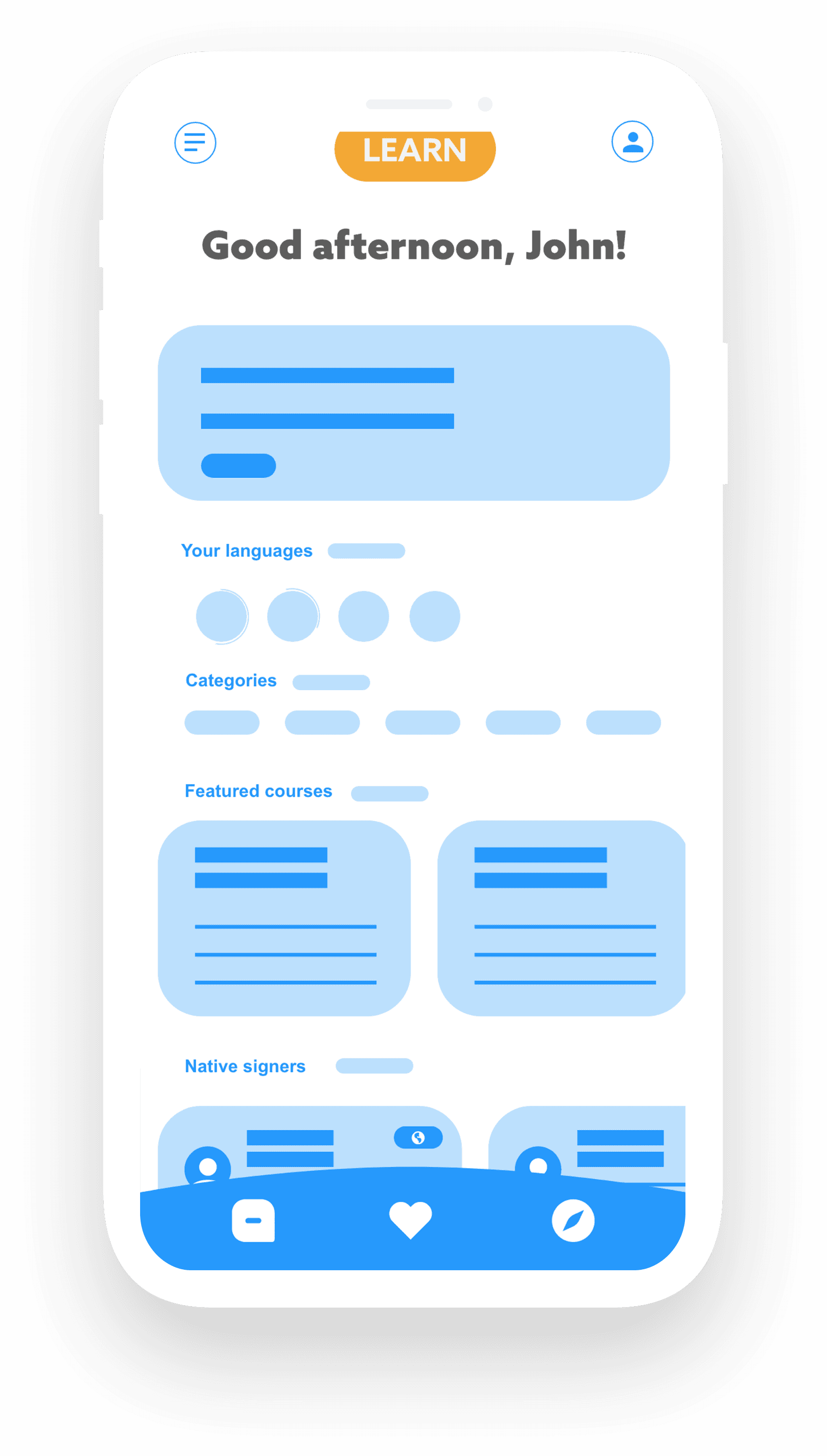
Date focused on trust and language compatibility. Hustle focused on professional skill discovery and collaboration. Learn focused on sign-language growth through categories, courses, and native signers.
The heatmap pattern supported geofenced discovery by showing where sign-language friendly events and community activity were concentrated, turning a map into an accessibility planning tool.
Final Mockups
A mobile system for connection, work, and learning
Date
Match around language preferences, fluency, and willingness to learn.
Hustle
Showcase skills, find collaborators, and build community teams.
Learn
Discover courses, signing categories, and native signer expertise.
Interactive Prototype