Role
UX Designer / Deaf Access Prototype LeadAccessibility Prototype / Interactive Bar Menu
Interactive ASL bar menu for Deaf bartenders
A tablet-based drink menu for Delk Trubiz Mix that lets customers tap each drink frame to learn the sign for the beverage they want to order from Deaf bartenders.
Context
Delk Trubiz Mix / Stephen and Carlos, Felicia and Tony event prototypesMethods
Interactive Figma prototyping, menu information architecture, ASL video mapping, tablet UXProblem Framing
Ordering at a bar is fast, noisy, and often inaccessible.
For Deaf bartenders and signing guests, a busy bar creates a communication bottleneck: customers may not know ASL, bartenders may be managing multiple orders, and speech-first menus do not teach the interaction needed to order respectfully.
The prototype reframed the menu as a learning surface. Instead of only listing drinks, each tappable drink frame became a bridge between the customer's intent and the sign language needed to place the order.
UX Thinking Framework
From bar workflow to interactive language-learning menu
01 / Ideation
Turn the menu into a communication aid
The idea began with a direct service challenge: customers need to order quickly, but Deaf bartenders should not have to carry the full burden of teaching every drink interaction in the moment.02 / Research
Map the real event environment
Local assets included wedding prep sheets, drink inventory, event-specific drink videos, POS test clips, payment QR codes, and brand materials. The design had to work as a tablet surface at a live bar, not a static poster.03 / Information Architecture
Prioritize drinks by event demand
The Figma layouts gave larger frames to featured cocktails such as The Mayhem, The Mischief, Zestfully Ever After, and Punch Drunk Love, while secondary beer and wine options stayed visible as smaller tap targets.04 / Interaction Design
Make every card a tappable lesson
Each frame was designed to open the relevant sign-language clip, so the customer could tap a drink, watch the sign, and then place the order with the bartender using the correct gesture.05 / Final Mockups
Balance accessibility, service, and event operations
The final tablet concepts combine drink cards, ASL video thumbnails, payment panels, QR codes, donation messaging, and branded art direction so the menu can support ordering, learning, tipping, and event personality.Design Iterations
The event variants proved the system could adapt without losing the core interaction.
The Stephen and Carlos version emphasized wine, signature cocktails, and payment QR panels. The Felicia and Tony version expanded the grid with beer, mixed drinks, donation messaging, and a different visual background.
Across both, the product logic stayed consistent: scan the menu, tap the drink, learn the sign, and order with less friction. That consistency matters more than any single visual theme.
Final Mockups
A tablet menu system for ordering, learning, and tipping
Brand Anchor
A recognizable bar identity grounds the tablet menu in the event service brand.
Event Extension
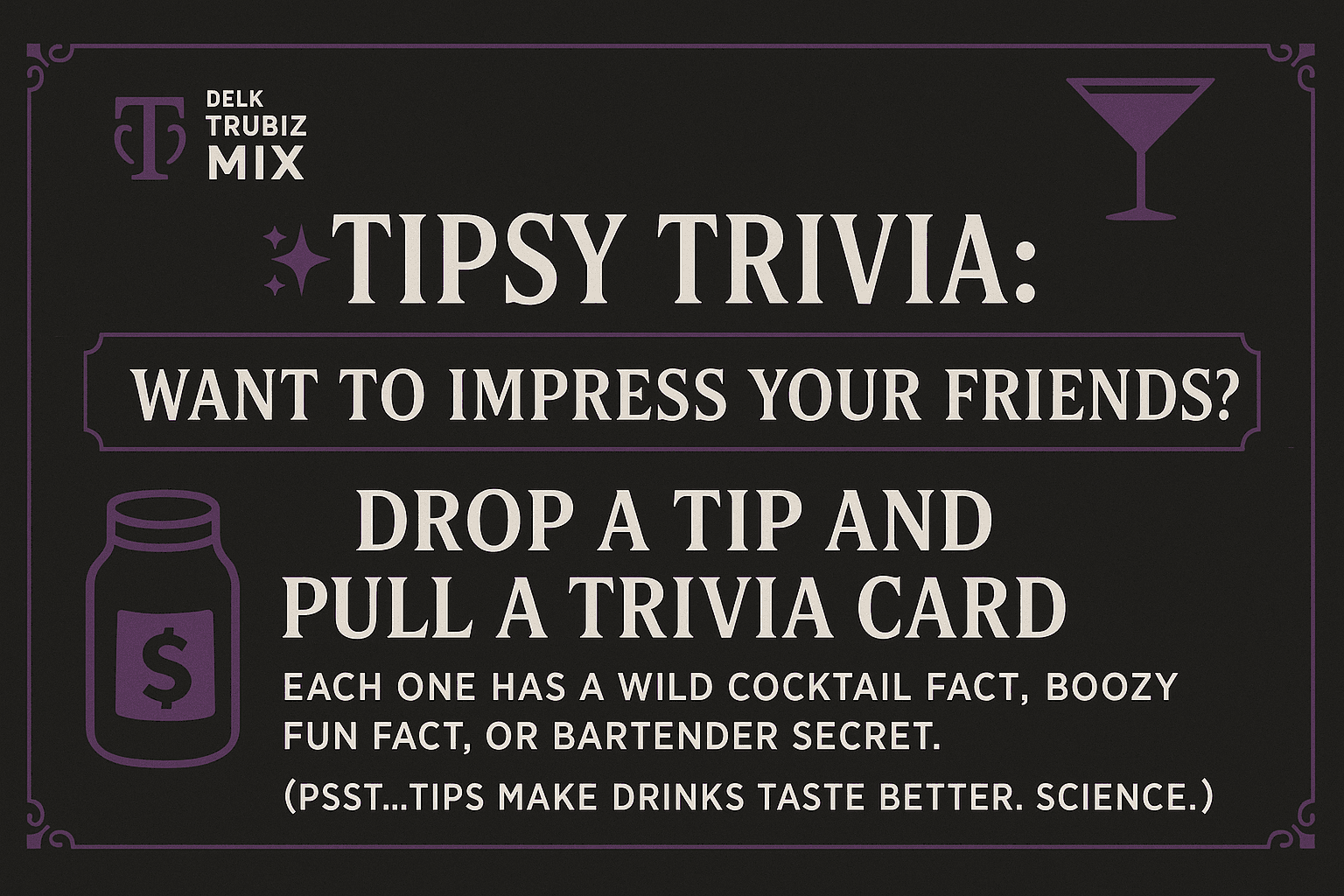
Figma assets supported event-specific surfaces such as trivia, tipping, and payment prompts.
Drink Content
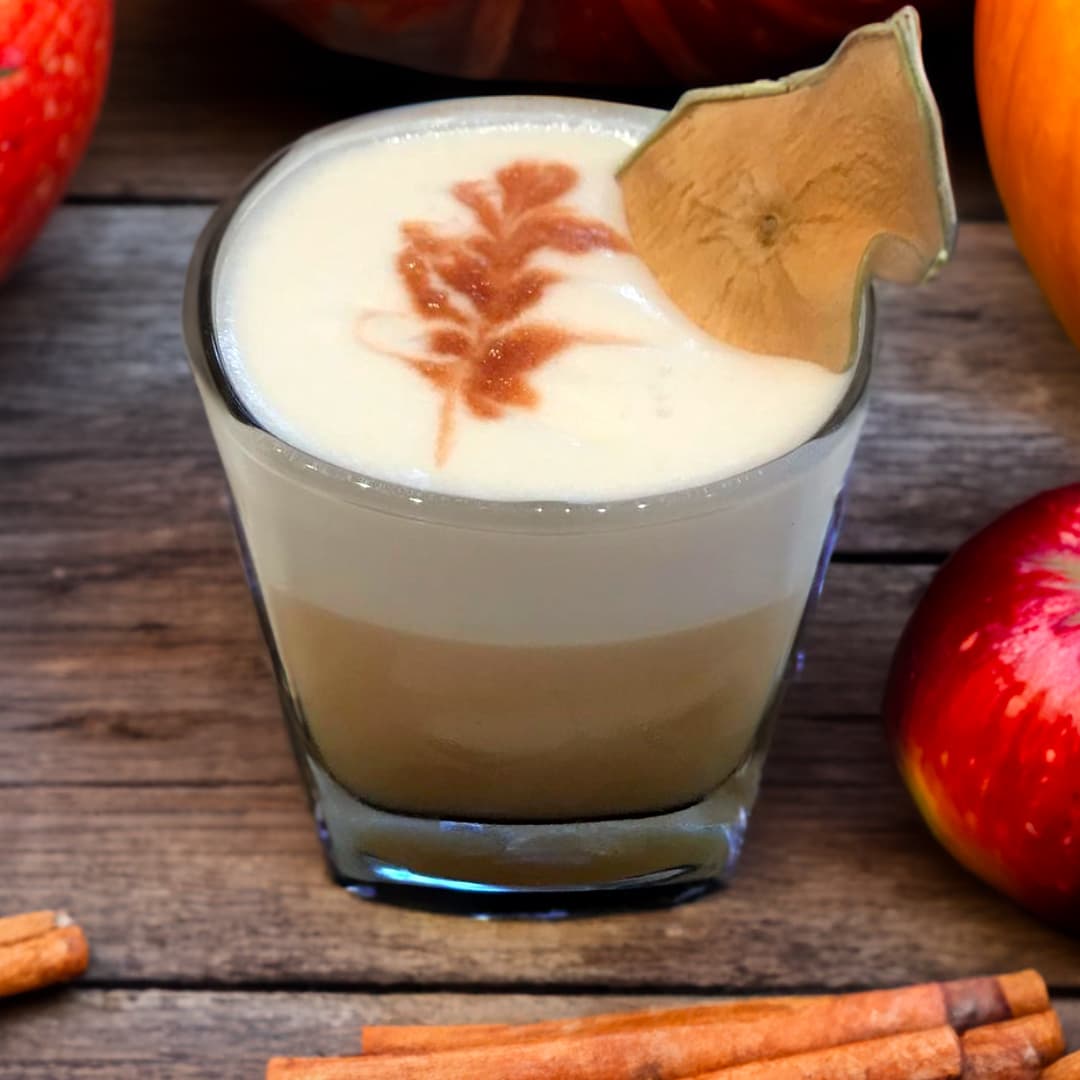
Drink photography and ASL video clips supplied the content mapped to each interactive menu card.
Interactive Prototype